
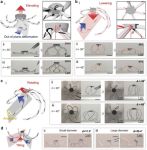
Using liquid crystal elastomer arc fibers as appendages for soft robotsFri Sep 18 2026
Check out this recent report by Jong Bin Kim et al. on using liquid crystal elastomer arc fibers as appendages for soft robots! HQ:NSC15/Al_BS was used for mechanical indentation testing by AFM.
Check our probes here: https://www.spmtips.com/afm-tip-hq-nsc15-al-bs

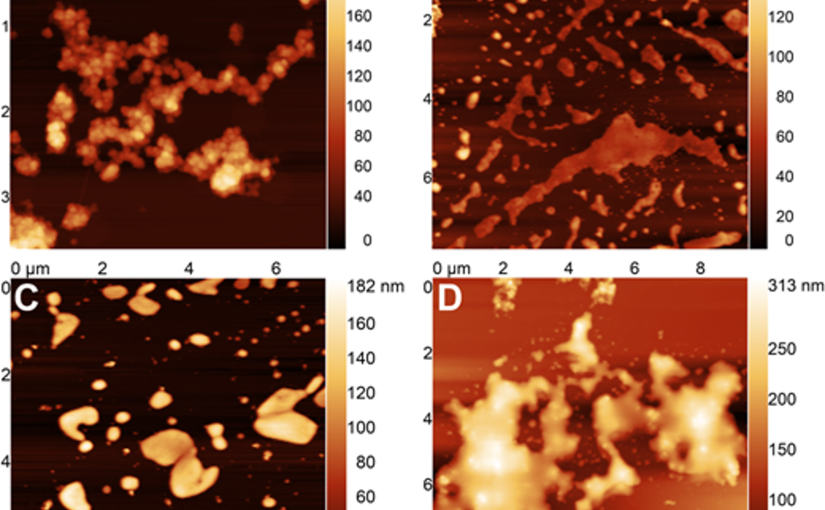
Plant-Growth Synchronized, Acid Phosphatase-Responsive Lignin-Based Controlled Release Phosphorus NanofertilizersMon Aug 31 2026
New Blog Post Alert - https://www.nanoworld.com/…/plant-growth-synchronized-acid…/
In this article, Alice Boarino, Nicola Carrara, Joaquin Clua, Nick Zahnd, Yves Poirier, and Harm-Anton Klok present a lignin-based nanofertilizer platform designed to respond to a biological signal associated with phosphate deficiency in plants.
Check it out!

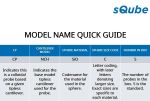
sQube AFM Probes - Model Name quick GuideWed Aug 26 2026
What’s in a name? That which we call a CP-NCH-SiO-C by any other name would indent just as reliably, accurately and affordably.
While the paraphrase above is absolutely true, it is important to refer to AFM probes used in a methods section correctly. This helps other researchers (and especially AFM newcomers) reproduce your work and compare results!

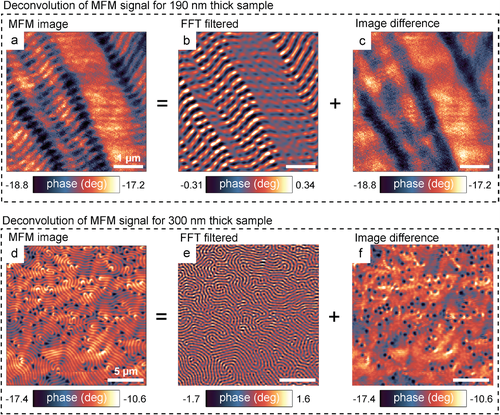
Correlations in Magnetic Sub-Domains as an Unconventional Phase Diagram for van der Waals FerromagnetsTue Aug 11 2026
Two-dimensional van der Waals ferromagnets continue to reveal unexpected magnetic phenomena that challenge the traditional understanding of magnetic ordering. In this article, Sergey Y. Grebenchuk, Magdalena Grzeszczyk, Zhaolong Chen, Makars Šiškins, Vladislav Borisov, Manuel Pereiro, Mikhail I. Katsnelson, Olle Eriksson, Kostya S. Novoselov, and Maciej Koperski investigate the origin of correlated magnetic sub-domains in mechanically exfoliated CrBr₃ and demonstrate how these nanoscale magnetic structures define an unconventional magnetic phase diagram.
Nanostructured Surfaces Enhance Calcium Carbonate NucleationFri Jul 31 2026
Swiss National Day is an opportunity to celebrate the ingenuity, precision and commitment to quality that have become closely associated with Switzerland. While these qualities are often recognised in fields such as watchmaking, engineering and advanced manufacturing, they are equally evident in Swiss scientific research.
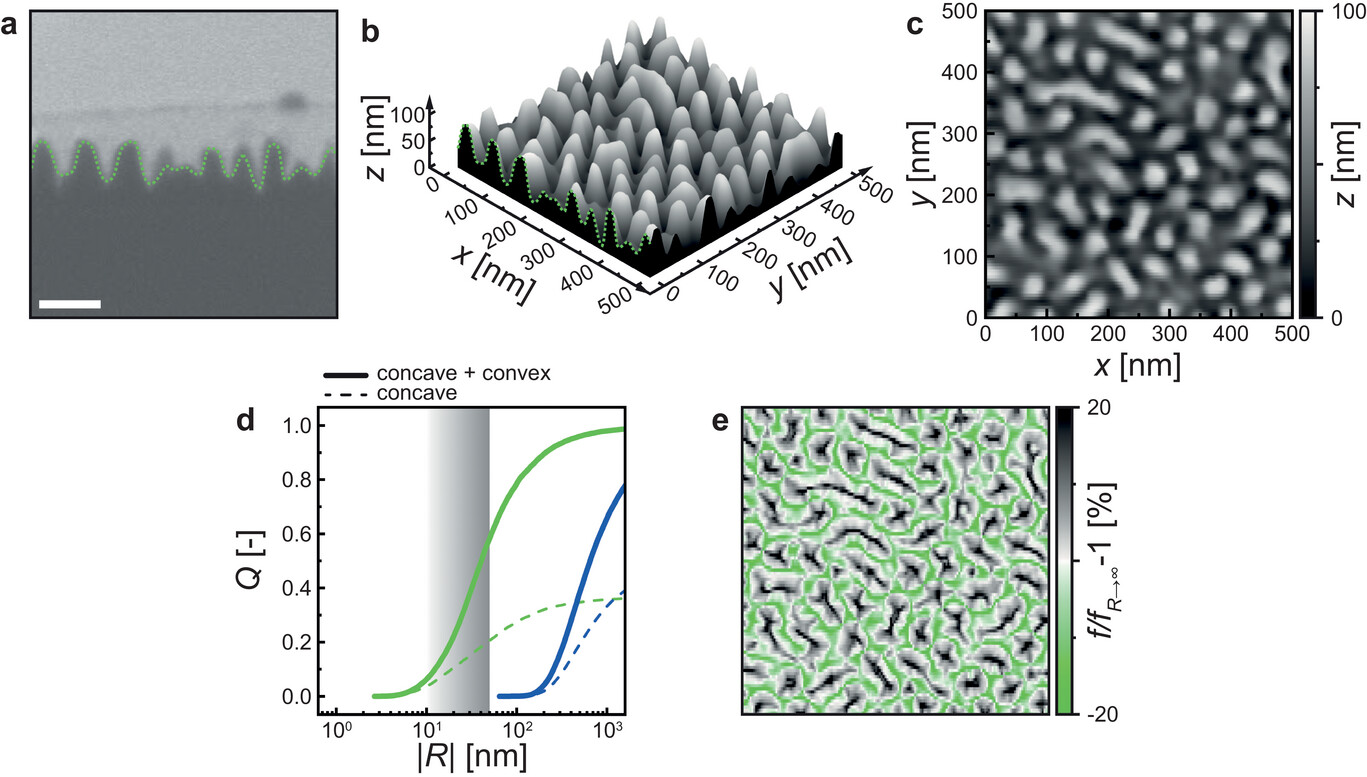
In work carried out at ETH Zürich and Empa, Tobias Armstrong and colleagues investigated how nanoscale surface structures influence the nucleation of calcium carbonate crystals, addressing a fundamental question in materials science.
Revisiting Contact Potential Difference in Electrostatic Force MicroscopyThu Jul 23 2026
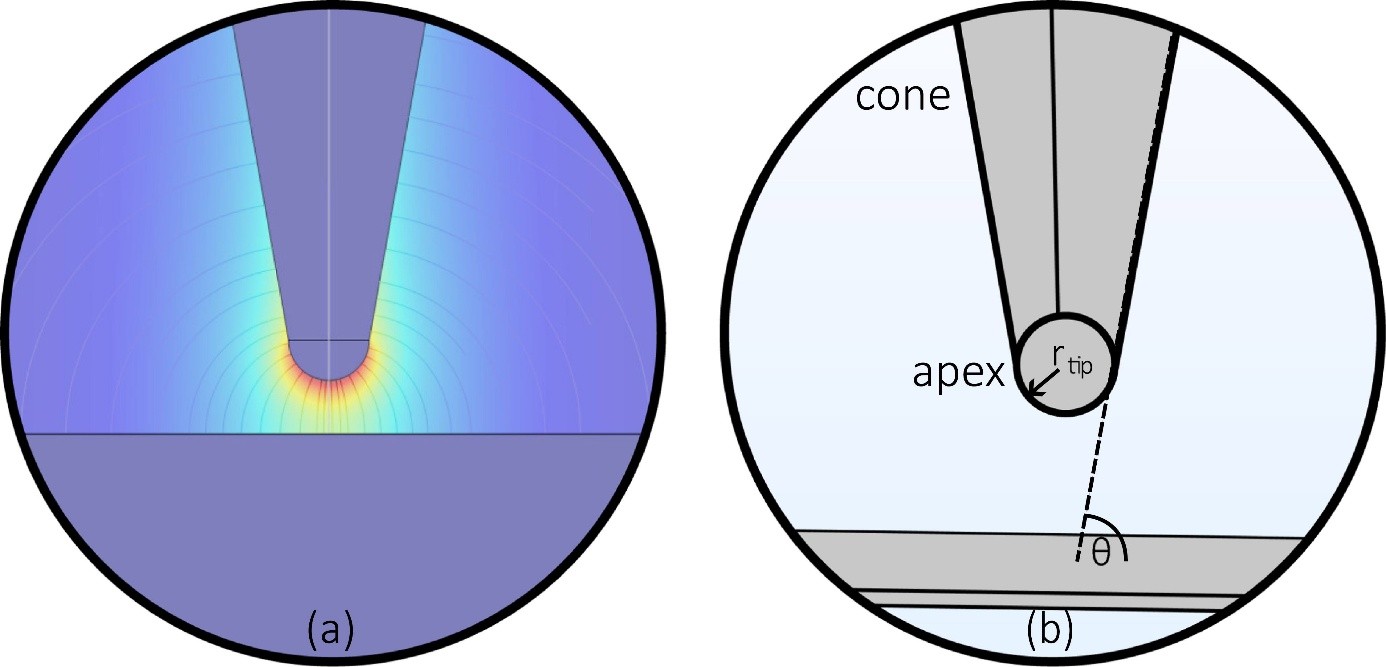
Electrostatic Force Microscopy (EFM) is an important atomic force microscopy (AFM) technique for investigating electrical properties and electrostatic interactions at the nanoscale. Achieving quantitative EFM measurements requires a precise understanding of the contact potential difference (VCPD) between the AFM probe and the sample surface. In this article, Lukas Lehnert, Ronald Thoelen, and Hildegard Möbius investigate the influence of AFM probe geometry on contact potential difference measurements and propose an improved model for interpreting Electrostatic Force Microscopy data.
The authors combine experimental measurements with theoretical analysis to examine the individual contributions of the AFM probe apex and cantilever cone to electrostatic interactions. While conventional EFM models generally assume an equipotential AFM probe and treat the contact potential difference as an additional applied voltage, the study demonstrates that this simplified approach cannot fully explain experimentally observed voltage parabolas. By separating the electrostatic contributions of the probe apex and cantilever cone, the proposed model provides a more accurate description of tip–sample interactions during EFM measurements.
Traceable stiffness calibration of colloidal AFM probes for biomechanical measurementsMon Jul 06 2026
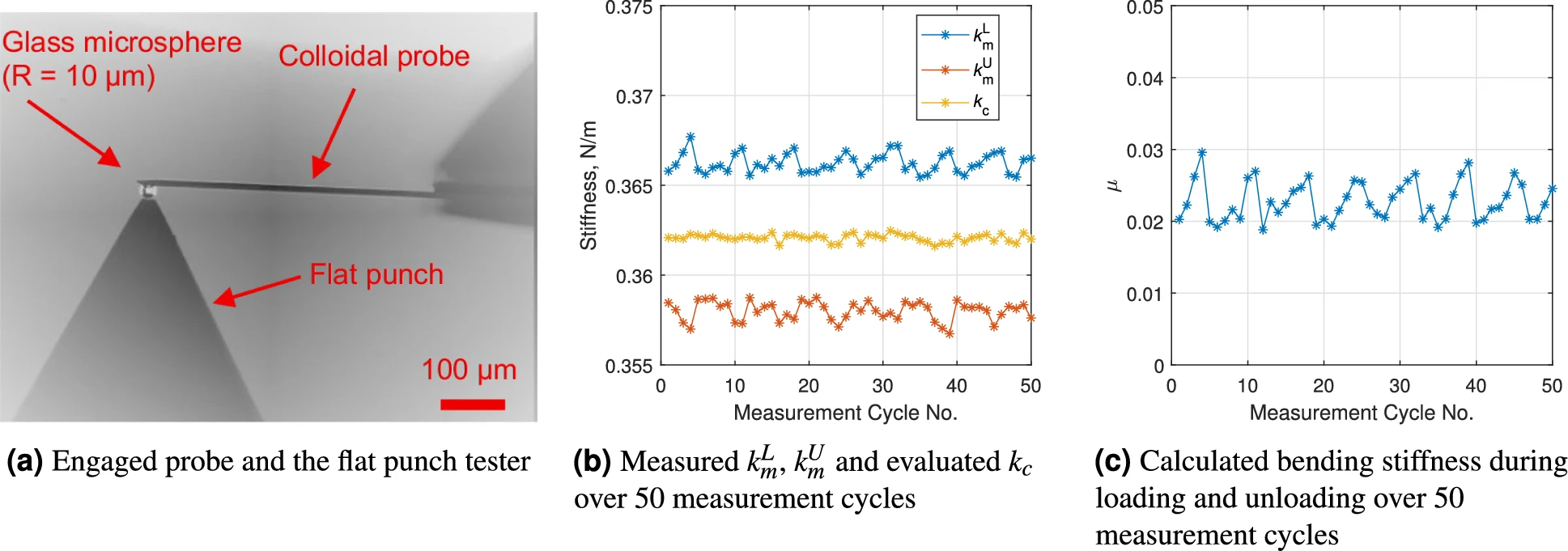
In their recent report Li et al. look at frictional effects in AFM indentation measurements. The paper employs FEA studies, in addition to AFM indentation. Capturing this effect is vital for accurate and traceable calibration of AFM probes. CP-CONT-BSG-C is among the models used!
Read Here: https://www.nature.com/articles/s41598-026-38158-7#Sec2
Dynamics of Compartment-Specific Proteomic Landscapes of Hepatotoxic and Cholestatic Models of Liver FibrosisThu May 21 2026
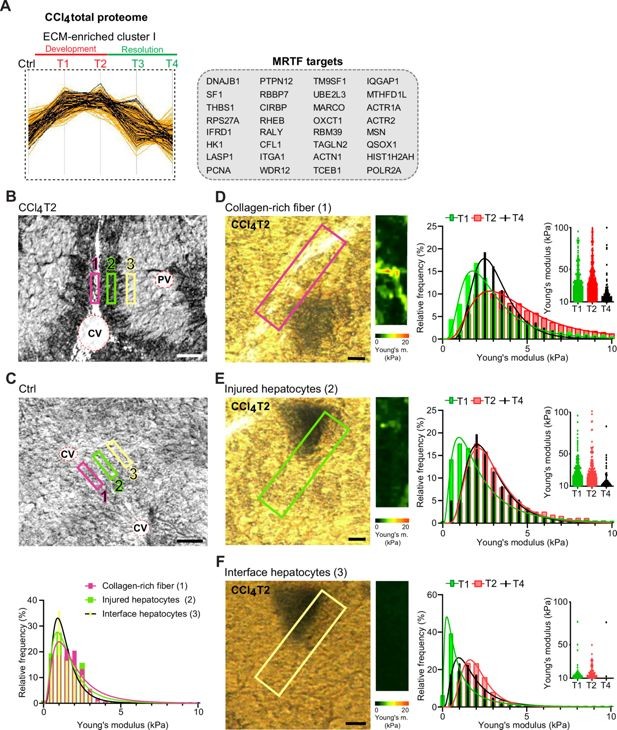
Liver fibrosis is characterized by excessive accumulation and remodeling of extracellular matrix (ECM) components, leading to altered tissue mechanics and progressive impairment of liver function. In this article, Marketa Jirouskova, Karel Harant, Pavel Cejnar, Srikant Ojha, Katerina Korelova, Lenka Sarnova, Eva Sticova, Christoph H. Mayr, Herbert B. Schiller, and Martin Gregor investigate compartment-specific proteomic remodeling during fibrosis progression and spontaneous healing in experimental mouse models of hepatotoxic and cholestatic liver injury.
Using detergent-based tissue extraction combined with mass spectrometry, the authors identified dynamic and etiology-specific changes in the hepatic proteome with particular focus on extracellular matrix composition and protein solubility. Distinct molecular signatures associated with carbon tetrachloride (CCl4)-induced and DDC-induced fibrosis were observed, including signaling pathways linked to impaired healing and carcinogenesis in cholestatic injury. The extracellular chaperone clusterin was additionally identified as a potential contributor to fibrosis resolution.
Negative Differential Piezoresponse in Relaxor FerroelectricsThu Apr 23 2026
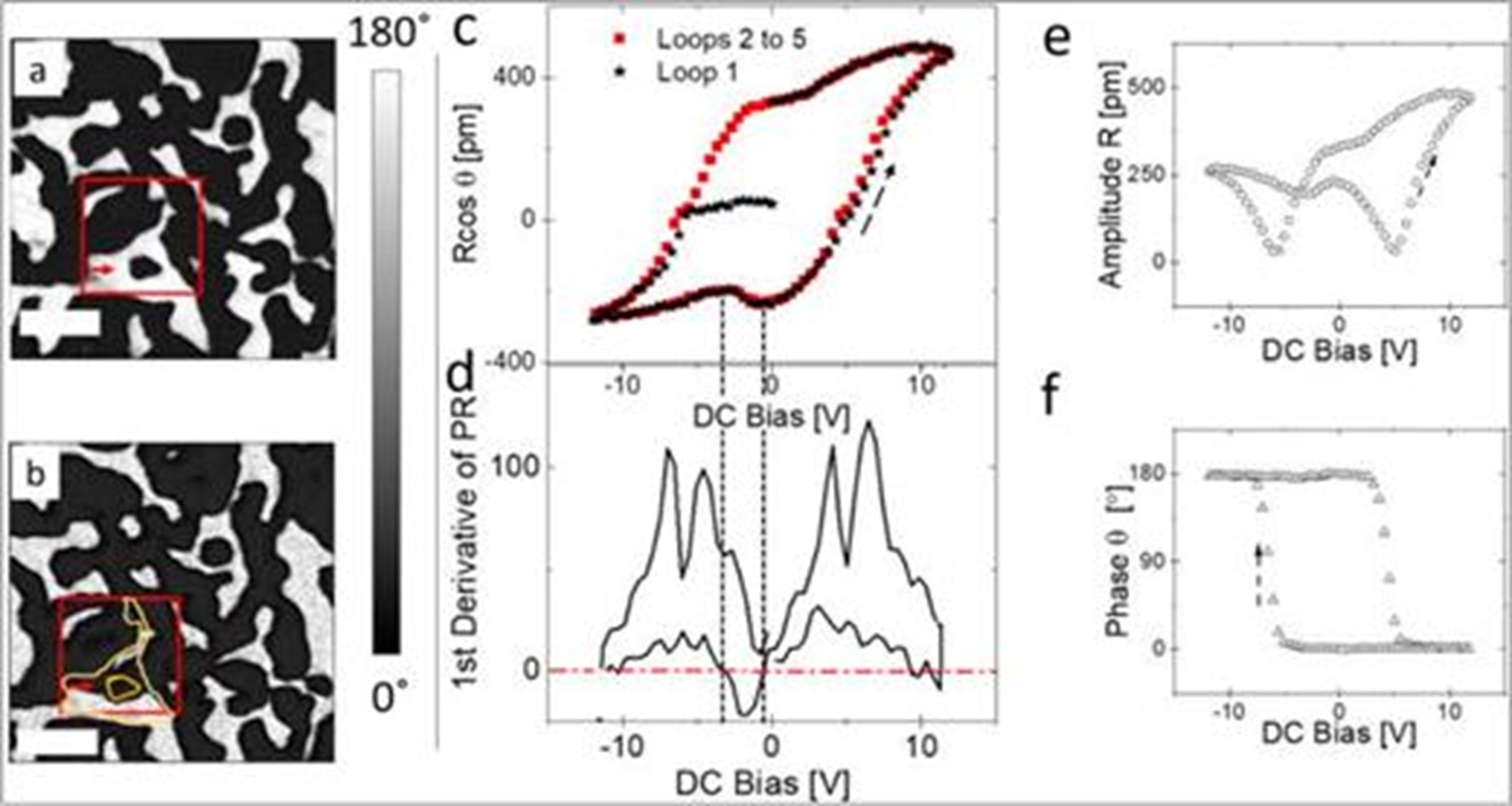
Relaxor ferroelectrics exhibit complex electromechanical responses that are critical for advanced functional materials. In this article, C. Saguy, B. Kowalski, A. Sehirlioglu, and Y. Ivry report non-ergodic-induced negative differential piezoresponse behavior.
Piezoresponse force microscopy (PFM) was used to investigate domain switching and nanoscale electromechanical properties. The study reveals unconventional polarization responses associated with non-ergodic states. Measurements were carried out using a NanoSensors PtSi-FM AFM probe with a force constant of 2.5 N/m and a resonance frequency of 70 kHz. The AFM probe enabled high-resolution imaging, domain writing, and switching spectroscopy under controlled bias conditions.
This work highlights the role of NanoSensors AFM probes in enabling precise characterization of complex ferroelectric phenomena at the nanoscale.
Structural Elucidation of Citric Acid Cross-Linked Pectin and Its Impact on the Properties of Nanocellulose-Reinforced Packaging FilmsWed Apr 15 2026
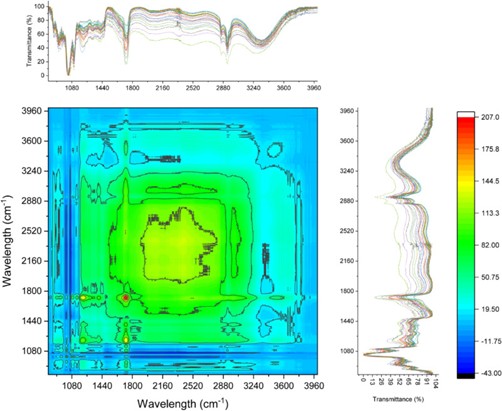
Citric acid cross-linking is an effective strategy for modifying citrus pectin to enhance its performance in sustainable packaging applications. In this article, Chandra Mohan Chandrasekar, Daniele Carullo, Francesco Saitta, Tommaso Bellesia, Elena Caneva, Chiara Baschieri, Marco Signorelli, Dimitrios Fessas, Stefano Farris and Davide Romano, investigated the structural changes induced by citric acid cross-linking and their influence on the properties of nanocellulose-reinforced packaging films..
The authors demonstrated that cross-linking significantly alters the structure–property relationship of the biopolymer matrix, leading to improved film integrity and modified surface morphology. These results provide valuable insight into biopolymer modification strategies for the development of environmentally friendly packaging materials.

Did you know, OPUS by MikroMasch® product line features the 55AC AFM probes?Wed Apr 15 2026
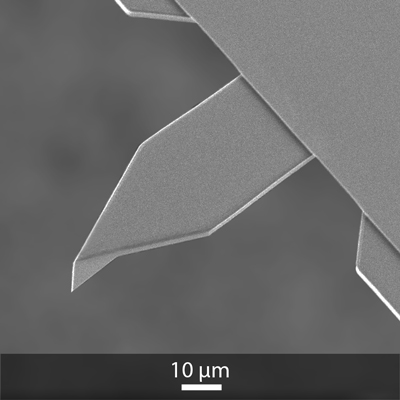
Did you know, OPUS by MikroMasch® product line features the 55AC AFM probes? These probes are designed for high-frequency AFM applications along with a tip located precisely at the cantilever free end, allowing for accurate positioning over the sample!
You find them with us here: https://www.nanoandmore.com/search/products?term=55ac
Nonlinear Optical Response in Layer-Stacked Gallenene with Ferroelectric PolarizationMon Mar 30 2026
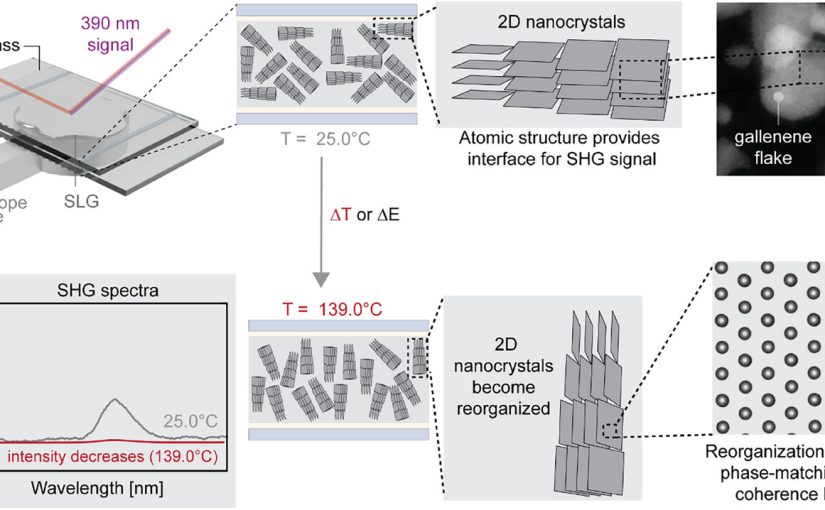
Layer-stacked gallenene is an emerging two-dimensional material with unique structural and electronic propertiesIn this article, M.Yunusa, A. K.Schulz, T.Parker, et al. investigated the nonlinear optical response of layer-stacked gallenene exhibiting ferroelectric polarization. The material was produced using a liquid metal-based synthesis approach and showed a phase transition associated with its stacked structure.
The authors demonstrated strong second harmonic generation (SHG) signals, revealing the nonlinear optical activity of gallenene and confirming its ferroelectric nature. These findings highlight the potential of gallenene as a novel functional 2D material for advanced optoelectronic and photonic applications.
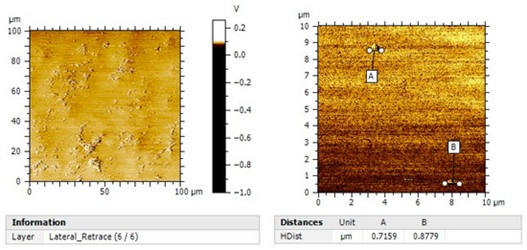
Atomic force microscopy (AFM) was used to characterize transparent lamellar films and helical filaments. Measurements were performed using a commercially available AFM instrument operated in contact mode. A NanoWorld Arrow-CONTR AFM probe with a nominal force constant of 0.2 N/m and a resonance frequency of 14 kHz was used to obtain high-resolution surface morphology data.
New NANOSENSORS™ blog postThu Mar 26 2026
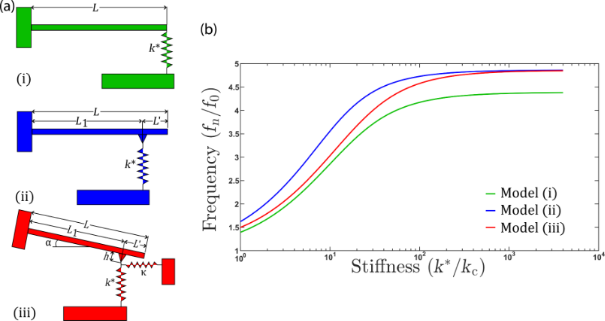
Thermal deflection analysis in AFM for precise nanomechanical property measurements — validated on HOPG using a range of NANOSENSORS probes.

NanoAndMore Japan at The 73rd JSAP Spring Meeting 2026Mon Mar 16 2026
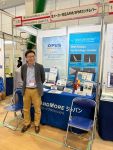
NanoAndMore Japan is at The 73rd JSAP Spring Meeting 2026 03 15-18
You can find us at Booth NO.1-27

BudgetSensors® Multi75E-G tips, (a.k.a. ElectriMulti75) were used in the characterization experiments during development of the AI approachTue Feb 17 2026
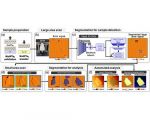
AFM and scanning probe microscopy in general have become ubiquitous since their discovery. However, analyzing and acquiring data frequently involves operator judgement in selecting and focusing on regions. In this recent publication, Sung et al. demonstrate an autonomous, AI-based framework for microstructural and electrical analysis of 2D materials.
Our Multi75E-G tips, (a.k.a. ElectriMulti75) were used in the characterization experiments during development of the AI approach.
Read the full article here: https://doi.org/10.1002/sstr.202500379

Happy New Lunar Year of the HorseMon Feb 16 2026
NANOSENSORS™ AFM probes wishes you all a happy, healthy and successful new lunar year of the horse.

Happy New Lunar Year of the HorseMon Feb 16 2026
NanoWorld® wishes everyone a good start into the new lunar year of the horse.

BudgetSensors® Multi75Al-G probe has been used to image the polydopamine coating morphologyMon Jan 26 2026
In a recent study, Frenzel et al. demonstrated optimized polydopamine coatings for polyethylene fibers in cementitious materials. Short fibers have been demonstrated as an effective means of reinforcing this class of materials previously, when the correct adhesion between the fiber and the surrounding matrix is achieved.
BudgetSensors® Multi75Al-G probe has been used to image the polydopamine coating morphology – a thin film with nanoscale clusters on top.
https://www.sciencedirect.com/…/arti…/pii/S0169433225016137…
#BudgetSensors #AFMprobes #AFMtips #Multi75AlG

Season’s Greetings 2025 from NanoWorld®Tue Dec 23 2025
As we glide toward the end of the year, we’d like to say a heartfelt thank you to our customers and partners around the world for trusting NanoWorld AFM probes in your research and industry related applications.
Whether you’re carving fresh tracks like the NanoWorld Professor or enjoying the view like our robot friend in the gondola in this year’s holiday cartoon, we hope this festive season brings you inspiration, well-earned rest, and exciting discoveries ahead. ☃️⛷️🚠
✨ Wishing you a joyful Christmas and a successful, curiosity-driven New Year 2026! ✨
We look forward to continuing the journey together in the year to come.
Highlights
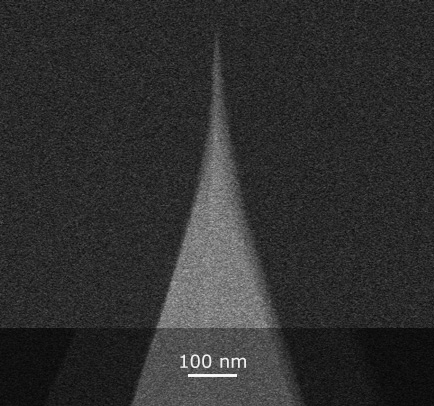



AFM Probe Focus

best of the best
qp-HBC
uniqprobe™ - HeartBeat Cantilever for ScanAsyst®** and Peak Force Tapping™**
Coating:
Reflective Aluminum
Tip Shape: Circular symmetric
Tip Shape: Circular symmetric
AFM Cantilever:
F
60 kHz
C
0.5 N/m
L
115 µm
ATEC-NC
Tapping Mode AFM Probe with REAL Tip Visibility
Coating:
none
Tip Shape: Visible
Tip Shape: Visible
AFM Cantilever:
F
335 kHz
C
45 N/m
L
160 µm
TESPA
Standard Tapping Mode AFM Probe
Coating:
Reflective Aluminum
Tip Shape: Standard
Tip Shape: Standard
AFM Cantilever:
F
320 kHz
C
42 N/m
L
125 µm
OTESPA
Standard Tapping Mode AFM Probe with AFM Tip at the Very End of the AFM Cantilever
Coating:
Reflective Aluminum
Tip Shape: Optimized Positioning
Tip Shape: Optimized Positioning
AFM Cantilever:
F
300 kHz
C
26 N/m
L
160 µm